Written By Asia Sahota, International Business Student. Reading time – 2:30 minutes
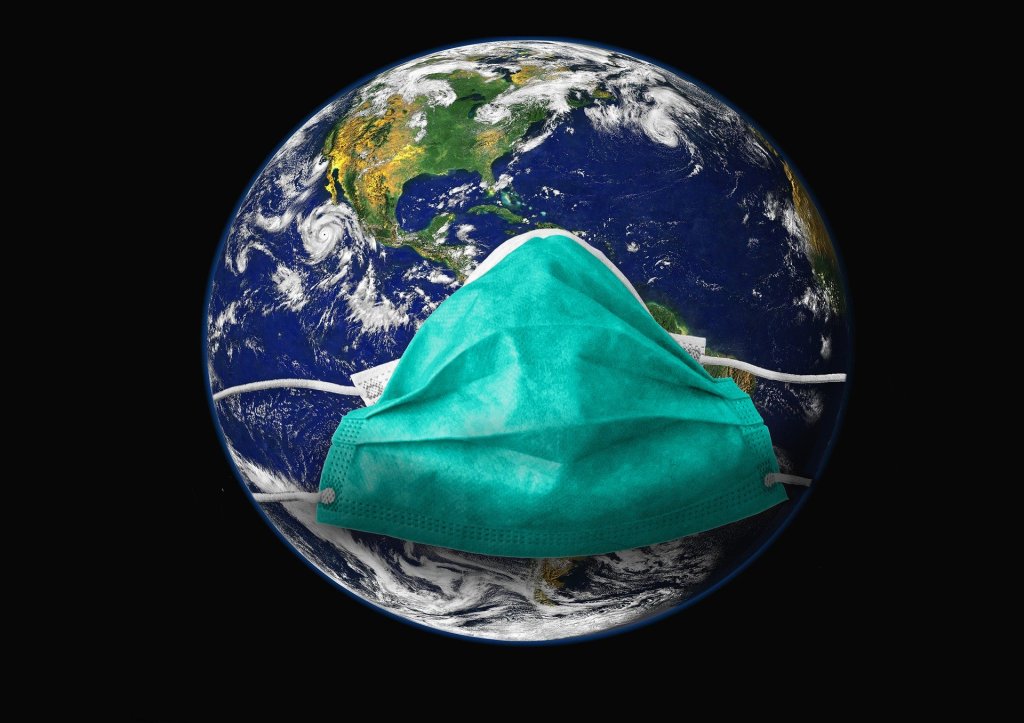
Its January 2020, business is ticking over nicely, with global growth, (estimated at 2.9 percent in 2019), projected to increase to 3.3 percent in 2020 by the IMF. Company attitudes have shifted towards ‘value’ and ‘corporate social responsibility’; and companies are increasingly crafting their strategies around their employees.
Corporate responsibility is making its way to the boardroom, and the ‘bottom-line’ is no longer the key objective in influencing key business decisions.
Consideration of social impact is no longer optional when forming business strategies, and with employees and investors expecting more, companies are cultivating corporate cultures through a sense of ‘belonging’.
Fast forward to today, May 2020, and the picture is the very opposite.
Global trade has fallen at the fastest rate since the financial crisis of 2008, and with the terrifying pandemic threatening the worlds health and economy, business certainly isn’t as usual.
Lockdown measures imposed across the world have disrupted production and supply chains across automotive, travel & tourism, healthcare, high-tech manufacturing, and retail industries; and with non-essential business grinding to a halt, companies are faced with the tough decisions of how to weather the storm.
It’s clear to see that the focus on ethical business practise has been forgotten…
Unfortunately its clear to see that the focus on ethical business practise has been forgotten, with thousands of worker layoffs, an unwillingness to pay workers affected by the pandemic and even stories emerging that employees are being forced to work non-essentially, in conditions which don’t comply with social distancing rules (despite government furlough schemes); ASOS, Amazon, EasyJet, Virgin Atlantic and Wetherspoon’s are among the list of companies behaving badly..
The economic impact has meant companies are at risk or have already suffered huge profit losses, even to the extent of bankruptcy; as seen by Hertz the car rental company, which has filed for bankruptcy after pandemic losses. The pandemic has created an economic crisis and company decisions are hitting those most vulnerable, with a huge rise in disproportional global unemployment and a huge psychological impact, affecting millions of people and the workforce around the world.
The pandemic has highlighted the impacts of company decisions on society, and with shareholders and the ‘bottom line’ once again being prioritised over the social needs of the workforce, will these companies be forgiven, or will the companies who made selfish decisions to survive the pandemic be punished by society when life goes back to normal?
 Asia Sahota - International Business Blog